Table Of Content

People may decide that they should alter their routine to allow more time for drying their hair. Going to bed with damp hair can increase the risk of developing a fungal or yeast infection on the scalp, as yeast finds it easier to grow in warm or moist areas of the body. “After quickly blast drying your hair, use a curl cream like the Schwarzkopf Professional Osis+ Curl Honey Cream before you sleep. Remember to push your hair upwards against the pillow to avoid getting any unwanted kinks in your natural curls.
Is it bad to sleep on wet hair? What the experts say.
The common cold is caused by viruses spread from person to person through droplets in the air from coughing or sneezing, or contaminated surfaces. Most adults experience a common cold infection about two to three times per year, whether or not they sleep with wet hair. Some hair styling products strip fatty acids from the cuticle, allowing more water to be absorbed. Without proper care, chemically treated hair is more likely to become frizzy and tangled as it dries.
Tips to Avoid Hair Breakage
The 2019 Mott Poll report suggests that some parents and caregivers use folklore strategies for preventing the common cold. Chemically treated hair may be more prone to damage if slept on while wet. Hair strands are covered in a cuticle (a layer of brittle, scale-like cells) that contain various fatty acids.
I Go to Sleep With Wet Hair All the Time. Am I a Monster?
But a lot of people sleep with wet hair and don’t seem to have any problems, he says. Research has shown that cooling your head at night helps calm the brain’s metabolic activity in ways that promote sleep onset and restorative ZZZs. And if you run out of time and can't get your hair washed earlier, you could consider cheating wash day altogether. This advice goes for everyone, whether we are talking hair extensions or natural strands (or both). Valles says her go-to dry shampoo for use with extensions is Vegamour GRO Dry Shampoo due to its lightweight feel. Hair extensions can make it more challenging or take more time to thoroughly dry the scalp, especially if you're someone wearing a semi-permanent hair topper.
Wet Hair Wrap Top Sellers atlantaprogressivenews.com - Atlanta Progressive News
Wet Hair Wrap Top Sellers atlantaprogressivenews.com.
Posted: Wed, 24 Apr 2024 12:33:51 GMT [source]
It’s true that you’re much more likely to catch a common cold during the winter months. But this has to do with the ways respiratory viruses proliferate and spread, he says. And in addition to potentially contracting an infection, if you're someone with tape-in extensions, leaving them wet can decrease their lifespan as moisture gets trapped inside the tape.
How to sleep with wet hair if you have a straight mane
You can give it time to air dry, or quickly give it a partial dry with a hair dryer. Even wrapping your hair in a microfiber hair towel for a few minutes, just so it’s no longer noticeably dripping, can make a difference. “When you wake up to unruly bedhead, you’re probably going to have to re-wet it again to properly dry it and regain control. For basically as long as I can remember, I’ve been a night showerer and, therefore, also generally a wet hair sleeper. But whenever I admit to this habit, there’s always someone who visibly recoils in disgust, barely hiding the fact that they now see me as less of a human being.
We got Divya Sabanayagam and Anjali Merchant, co-founders of DryFix, to draw up a roadmap to getting there. To prevent further damage to your hair follicles and restore the natural barrier of your hair cuticle from external factors, consider using a leave-in conditioner as part of your hair and skin routine at night. These products provide lasting moisture to your scalp and hair strands, preventing dryness and damage. To prevent sleeping on wet hair, use absorbent towels, time your hair wash strategically and swap your pillowcase for a silk one to decrease friction. At the end of a long day, it’s all too easy to take a hot shower, throw on some pajamas, brush your teeth, and then jump into bed.
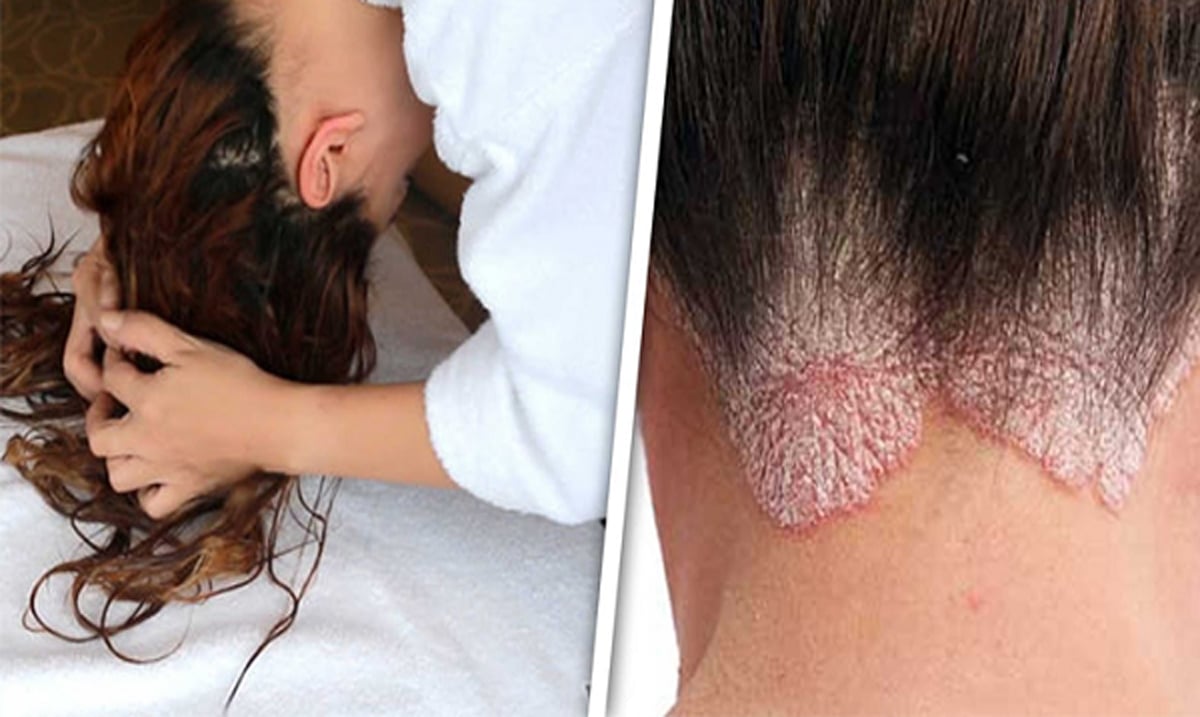
The added friction from sleeping on a pillow with wet hair may also make things worse, pulling some strands of hair farther than their elasticity allows, leading to breakage. Sleeping with wet hair has been found to lead to hair damage, breakage, increased levels of dandruff, and potentially fungal growth. To understand why it’s not ideal to sleep with wet hair and what can happen if you do, we’ve talked to board-certified dermatologist Dr. Marisa Garshick and hair stylists Abby Haliti, Creighton Bowman, and Jenn Velez. However, if you’re concerned about going to bed with wet hair but still want the benefits of a late-night shower, try using a shower cap. A shower cap will keep your hair dry and prevent it from getting wet during your nighttime shower. This covering allows you to enjoy the benefits of pre-bedtime showers without worrying about your hair.
When it comes to wet hair, these pillowcases absorb less moisture, keeping hydrating products on your head instead of your pillow. Sleeping with wet hair might seem convenient, but it’s not the best idea for several reasons. When you sleep with wet hair, it dries overnight, and some water evaporates into the air while some gets soaked up by your pillow and bedding. This can make your pillow warm and damp, which might lead to issues around your head and face. Always check your bedding’s laundry symbols for special instructions, but a good rule of thumb is to machine-wash it with hot water.
Though sleeping with wet hair won’t give you a cold, Dr. Shah says that it does increase your risk of developing a fungal infection of the scalp. "Hair takes its shape from damp to dry, so I usually tell people to either towel dry it really well or tell people to let it air dry a little [before blow-drying]." This mistake isn't so much about hair damage as it is about styling efficiency—but it's still good to keep in mind.
According to Dendy Engelman, MD, a board-certified dermatologist in New York City, laying your wet hair on a pillow increases the risk for bacterial and fungal growth. Not only is that bad for your hair and skin, but it can also increase your chances of getting and spreading various infections. However, doing so may have some disadvantages, including hair breakage and an increase in yeast and fungal overgrowth on the hair.
That way, it can air dry while you’re brushing your teeth, doing your skincare, packing lunches, reading, stretching, et cetera. Even on their best days, pillows, mattresses and bed linens are breeding grounds for all kinds of (mostly harmless) bacteria and fungi. She explains that, when hair is wet, it swells—causing the outer layer of the hair, the cuticle, to open. This is great for shampooing and conditioning purposes, but it also makes your hair more fragile. As you naturally move your head or toss and turn throughout the night, this can cause split ends—and may even contribute to a receding hairline, since the hairs along the hairline are particularly prone to breakage.
The kind of breakage that comes with sleeping with wet hair only develops after doing so chronically, Dr. Cheng says. So, if you can, try not to only sleep with wet hair and try not to do it every single night. Hair is more vulnerable when wet, therefore sleeping with wet hair down may result in damage, split ends, and tangles. If you need to wet your hair at night, at least try and dry it slightly so it’s damp—not sopping wet. If you’re asking if it’s bad to sleep with wet hair, there’s a lot to unpack, as this habit can pose a host of risks to your skin, hair and overall health—and will certainly require you to wash your pillowcases more often. Many people prefer to shower or bathe at the end of the day, and fully drying hair may not be an option for time or convenience reasons.
Similarly to what could appear on your head, you could also develop an infection on your face in the form of fungal acne. It would present as small red bumps and sometimes affect the upper body. "I've diagnosed patients with this and traced the cause to their sleeping with their face on a damp pillow caused by going to bed with wet hair," shares Dr. Sherber.


No comments:
Post a Comment